
Eye Color and the Psychology of Perception
Our eyes do more than help us see—they shape how we feel, think, and connect. They are the entry points through which the world floods into us, tinting our perception with color, energy, and emotion.
As a life coach rooted in neuroscience, psychotherapy, and psychology, I’ve spent years exploring how our physical traits interact with the unseen forces that shape our choices, relationships, and inner compass. Among those traits, eye color is one of the most quietly influential. Could the shade of our irises—brown, blue, green, or hazel—impact how we interpret the world, how we process emotion, and even whom we’re drawn to in love?
Let’s explore how this subtle yet powerful detail reflects not just light—but soul.
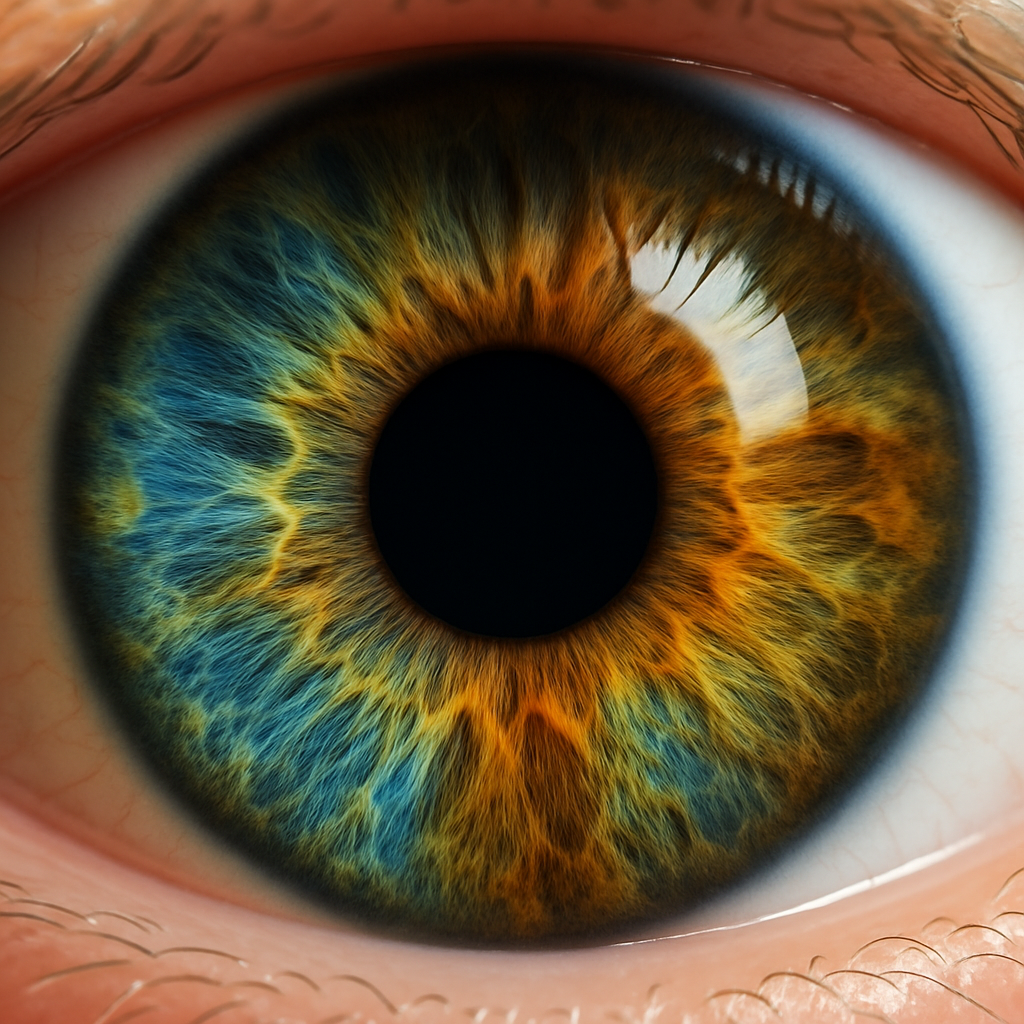
The Science Behind Eye Color and Perception
Eye color is determined by melanin levels in the iris. This pigment doesn’t just affect how we look—it influences how we process light. Blue and green eyes, with less melanin, scatter more light and may be more sensitive to brightness. Brown eyes, rich in melanin, absorb more light, enhancing clarity and focus—especially in sunlit or high-glare environments.
While eye color doesn’t directly change how the retina functions, it does affect how light interacts with the eye, subtly altering our visual experience. And in the deeper layers of the brain, this can influence mood, focus, even decision-making.
📖 For further scientific context, see this research on eye color and light sensitivity.
Eye Color, Personality, and Emotional Perception
Brown Eyes – The Grounded Visionaries
Brown eyes are the most common worldwide, but there’s nothing ordinary about them. Their richness comes from high melanin content, which shields the eye from harsh light and enhances visual stability.
- Strengths: Brown-eyed individuals often display resilience, mental focus, and practical clarity. Neurological studies suggest they may have quicker reaction times and strong contrast perception. In a world of constant noise, they often see what matters most.
- Challenges: Their grounded nature can sometimes miss subtle emotional cues or symbolic nuances—important aspects in psychotherapy and self-reflection.
Blue Eyes – The Dreamers of Light
Blue eyes are rare, often evoking calm and depth. With lower melanin, they’re more sensitive to light and can feel easily overwhelmed in bright settings. But in low-light or reflective spaces, their perception sharpens.
- Strengths: Blue-eyed individuals tend to perceive fine detail and show heightened emotional sensitivity. They often excel in introspective self-development and creative growth.
- Challenges: Their heightened sensitivity can lead to overstimulation, sometimes retreating into solitude for emotional regulation.
Green Eyes – The Alchemists of Balance
Green eyes sit between the groundedness of brown and the dreaminess of blue, offering balance and adaptability.
- Strengths: Natural harmonizers, green-eyed individuals often embody emotional intelligence and resilience, qualities highly valued in life coaching and psychotherapy.
- Challenges: Their flexibility can make sustained focus difficult.
Hazel Eyes – The Chameleons of the Soul
Hazel eyes shift with light and mood—mirroring adaptability in relationships and inner life.
- Strengths: Creativity, intuition, and emotional awareness are common traits.
- Challenges: Their sensitivity can sometimes lead to decision fatigue or inner conflict.
Eye Contact, Love, and Human Connection
Do we fall in love through our eyes? In part, yes.
From a neuroscience perspective, eye contact builds emotional intimacy and trust, activating the limbic brain where emotions are processed. Those with sensitive or adaptive eyes often read micro-expressions more clearly, deepening connections and enhancing relational awareness—a key element in psychotherapy and self-development coaching.
- Brown eyes often offer stability and grounding.
- Blue eyes inspire imagination and creative intimacy.
- Green eyes bring adaptability and balance to relationships.
- Hazel eyes reflect curiosity and a desire for growth.
In love, the eyes are not just mirrors—they are magnets.
The Eyes as a Compass for Self-Development
Our brains don’t process vision in isolation. The visual cortex works hand in hand with the emotional centers of the brain, translating what we see into feeling.
- Blue eyes may lead to heightened emotional reactivity in visual experiences.
- Brown eyes may create stability and focus, grounding the mind.
- Green and hazel eyes often bring more nuance, curiosity, and depth.
Eye color is not destiny—but it shapes how we perceive, connect, and grow. And perception, as every life coach knows, shapes reality.
See Yourself, See the World
The next time you look in the mirror—or into someone’s gaze—pause. What do your eyes say about how you move through life? What light do they let in? What truths do they reflect?
This kind of self-inquiry transforms perception into insight, and insight into growth. It is the path of self-awareness, the foundation of both psychotherapy and life coaching—and ultimately, the art of living with clarity.
For more reflections on identity, purpose, and emotional clarity, visit www.junaidkhan.net. Join the community of seekers and visionaries exploring the power of mind, body, and heart with Junaid Khan Life Coaching.